
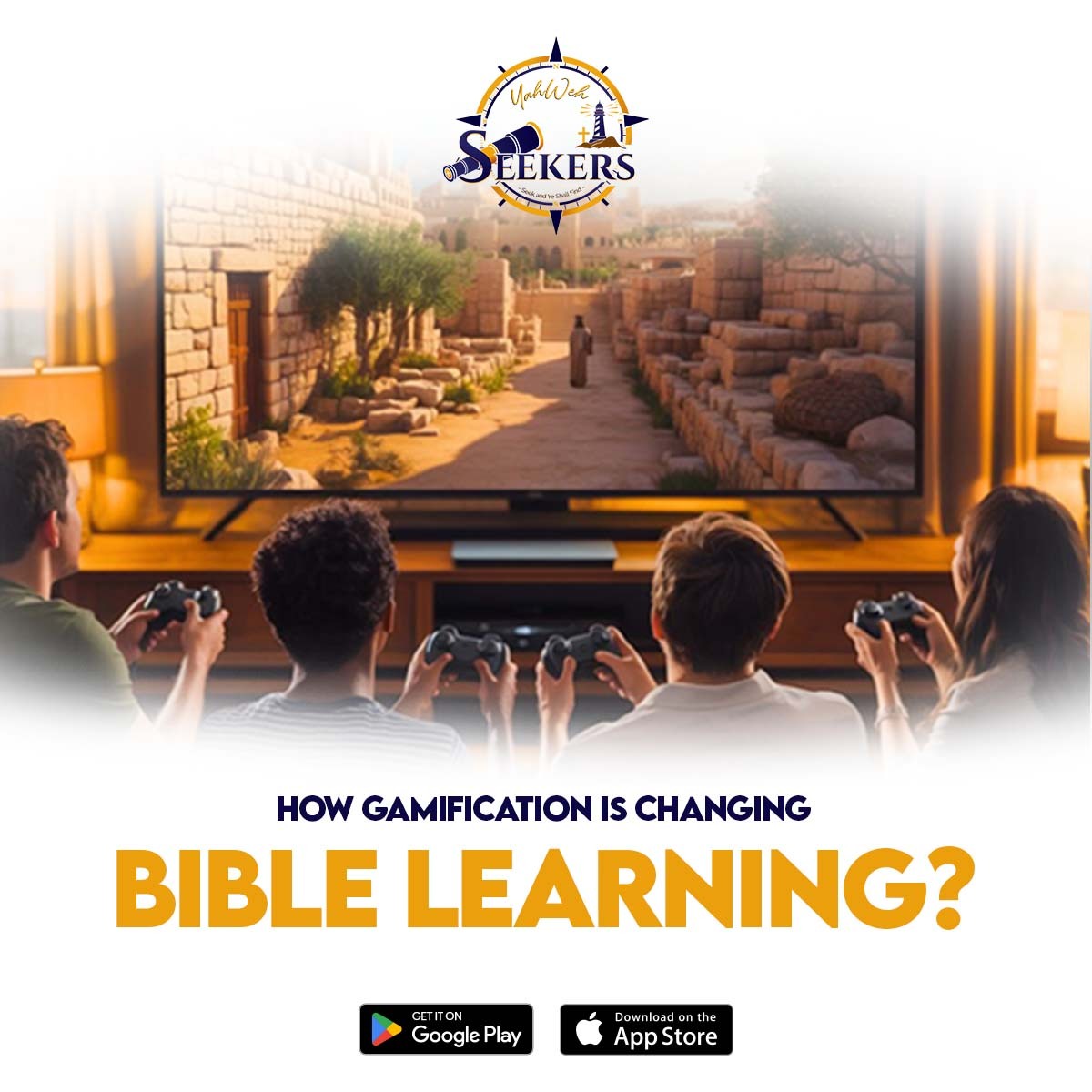
Traditional Bible learning methods mostly revolve around reading Scripture, listening to preachers, attending religious studies, and participating in communities.
Although these practices are crucial, today’s generations are growing up very differently. They are surrounded by an interactive world where participation mostly replaces passive learning. Educational apps use quizzes and challenges, language-learning apps reward consistency, fitness apps celebrate achievements, and even workplaces use milestone systems to encourage progress.
This shift has raised one very important question for Christian communities and faith-based technology: Can gamification help believers engage and connect more deeply with Scripture? This does not mean turning faith into a game. It is about using proper engagement principles to encourage consistent Bible learning and lifelong spiritual growth.
Before addressing that, we must first understand the core concept of gamification.
What Is Gamification?
Gamification means applying game-inspired elements, like challenges, progress tracking, rewards, achievements, and collaboration, to activities that are not games. Its purpose is to encourage participation, build consistency, and make learning more engaging.
In terms of Bible learning, gamification creates new ways for believers to engage with Scripture, remain motivated, and apply religious teachings in their everyday lives.
5 Ways Gamification Is Changing Bible Learning
When used with the right intent, gamification can be a great tool for discipleship as it helps people engage with it more consistently. We created this blog to explain how it does so. Here are five ways gamification is changing Bible learning for the better.
1. Makes Bible Study More Engaging
In today’s times, people have a lot on their plate. Including life’s challenges, countless distractions, and work, school, and family responsibilities, there are many reasons people find it hard to stay consistent with faith. As a result, spiritual habits are often pushed to the bottom of the priority list.
This is where gamification comes in. It makes Bible learning more interactive by allowing believers to participate in Scripture-based challenges, complete daily religious tasks, answer reflection questions, and make progress to unlock new learning milestones.
These interactions may seem small, but they create a sense of purpose and momentum. The goal here is not entertainment but engagement and consistency. When believers actively take part in their spiritual journey, they are more likely to remain committed.
2. Encourages Consistency Through Milestones
Spiritual growth does not happen overnight, but develops through daily habits like praying, reading Scripture, reflecting on religious teachings, and serving others. Still, many people become discouraged if they don’t see or experience progress immediately.
Gamification elements solve this by celebrating small wins. Whether it is completing a Bible reading session, maintaining a daily devotional habit, memorizing Scripture, or taking part in religious activities, each milestone reminds believers that every step towards faith matters. With time, these small victories help build lifelong disciplines.
3. Connects Scripture With Practical Application
One of the biggest strengths of gamification is that it can move believers from learning to living. If you read history, you will know that our Prophets also did not just preach. They invited people to follow, encouraged them to ask questions, and engaged with communities. They demonstrated compassion, forgiveness, service, and faith through everyday experiences.
This tells us that Bible learning becomes far more meaningful and impactful when it extends beyond reading. Interactive faith challenges, Scripture-based activities, personal reflection, community engagement, and acts of service allow believers to experience spiritual values firsthand. Such real-life experiences can greatly deepen your faith in many ways, and gamification helps bridge the gap in between. It encourages believers to live what they learn.
4. Strengthens The Community
In the early days, people gathered regularly to worship, pray, encourage one another, and share life together. Gamification supports this model by providing opportunities for collaborating instead of going on a solo venture.
Apps like Yahweh Seekers allow users to take part in group challenges, Scripture-based activities, religious projects, scavenger hunts, or form a group to organize it themselves. Experiences like these build accountability, strengthen relationships, and encourage believers to walk together and grow together as one.
5. Inspires The Next Generation To Stay Connected
Gen Z and Gen Alpha have always been surrounded by interactive technology. They naturally engage with learning through participation, collaboration, and exploration. This means they often connect more deeply through practical learning.
Gamification-based Bible learning provides various opportunities to do just that. It combines religious teachings with meaningful experiences that help younger minds develop strong, lifelong spiritual habits. The message is the same – only the method becomes more engaging.
Final Takeaway
The future of Bible learning is about making followership more intentional.
Gamification is helping believers stay consistent in faith, build lasting spiritual habits, strengthen community relations, and apply Scripture in practical ways. By combining God’s message with meaningful interactions, faith-based platforms create experiences that inspire lifelong faith.
Why? Because Bible learning is not just about gaining religious knowledge but also about allowing God’s word to shape how we think, serve, love, and live every single day.